
HERSHE News
Looking Tired Even After Enough Sleep? Could the Under-Eye Area Be the Reason?

Even after getting enough sleep, some people are often told they look tired or are bothered by dark, puffy under-eyes whenever they look in the mirror.
If shadows remain under the eyes even after you try concealing dark circles with makeup, bulging fat or under-eye hollows may be the reason.
Even subtle contours and shadows under the eyes can change how your face looks.
Today, we’ll look at how the under-eye area can contribute to a tired appearance and explain under-eye fat repositioning surgery.

Why Might You Look Tired Even After Enough Sleep?
There is more than one reason the under-eye area can look dark or shadowed.
Common factors include the following.
1. Bulging Under-Eye Fat
When orbital fat bulges forward beneath the eyes, it can cast a shadow just below the bulge.
This can make you look tired regardless of how you actually feel.
2. Tear Troughs and Under-Eye Hollows
A hollow between the lower eyelid and the front of the cheek can cast a shadow because of the difference in height compared with the surrounding skin.
3. Loss of Skin Elasticity and Wrinkles
As the under-eye skin and surrounding tissues lose elasticity with age, fine lines or sagging can develop, making the area look more tired.
4. Pigmentation and Skin Thickness
Skin pigmentation or thin skin that allows blood vessels to show through can also create a dark appearance similar to dark circles.
So not everyone with dark circles needs under-eye fat repositioning.
The first step is to determine whether the darkness comes from bulging fat, hollows, or the skin itself.
What Is Under-Eye Fat Repositioning?
Under-eye fat repositioning is a surgery that adjusts protruding fat as needed
and moves some of it into hollows such as the tear trough to soften uneven contours under the eyes.
Rather than simply removing fat, the procedure takes into account the balance of volume between bulging and hollow areas.
At HERSHE Plastic Surgery, we explain an approach through the conjunctiva inside the lower eyelid to adjust excess orbital fat and reposition some of it into hollow areas if needed.
The surgery is planned to soften uneven contours created by bulges under the eyes and hollows below them.

If You Have These Under-Eye Concerns, Consider an Assessment
Under-eye fat appears to bulge out
The area below the under-eye fat appears hollow
Tear troughs cast shadows under the eyes
A dark, tired look, such as dark circles, is a concern
The under-eye area looks uneven rather than smooth
However, under-eye fat repositioning alone may not be enough if the skin is significantly loose or if wrinkles and sagging are pronounced.
In these cases, procedures such as lower blepharoplasty may also be considered depending on the condition of the skin and the degree of sagging.
What Matters When Planning Under-Eye Fat Repositioning?
Assessing the under-eye area means looking not only at the amount of fat, but also at skin elasticity, tear trough depth, and the surrounding muscles and supporting structures.
HERSHE Plastic Surgery evaluates the following factors together to plan an individualized surgical approach.
Under-eye fat: degree of protrusion, amount, and distribution
Tear troughs: extent and depth of hollowing
Under-eye skin: thickness, elasticity, wrinkles, and sagging
Surrounding tissues: under-eye support structures such as the muscles and orbital septum
The aim is not to remove as much fat as possible. It is to adjust the fat as needed based on your under-eye anatomy and reposition it where appropriate.
The surgical approach can vary with the condition of the eyes and the degree of aging, so a thorough assessment and consultation are important.

What to Know Before Under-Eye Fat Repositioning Surgery
HERSHE Plastic Surgery provides the following general information about under-eye fat repositioning.
Surgery time: approximately 1 hour to 1 hour 30 minutes
Anesthesia: sedation
Pain level: generally low
Recovery period: within about a week (varies by individual)
However, swelling and bruising may last 1–2 weeks or longer, and the overall course of recovery can also vary from person to person.
After surgery, follow your medical team’s instructions. If you notice unusual symptoms such as bleeding,
severe pain, or changes in vision, contact the clinic immediately or seek appropriate medical care.
Any surgery can involve unexpected complications, including bleeding, infection, asymmetry,
or changes in the under-eye contour. It is important to receive a thorough explanation before surgery.

If you are concerned about looking tired even after getting enough rest, it is worth assessing under-eye bulges, hollows, and skin condition together.
Under-eye fat repositioning addresses the balance between bulging fat and hollow areas,
but it is not the same solution for every case of dark circles or every under-eye concern.
At HERSHE Plastic Surgery, we assess each person’s under-eye anatomy and skin condition together to plan an appropriate surgical approach.
If you are considering under-eye fat repositioning, start by finding out what is causing your under-eye concern.
 다음글
 게시물이 없습니다.


 힙업리프팅으로 애플힙 뒤태 만들수있나요? 힙업성형 Q&A
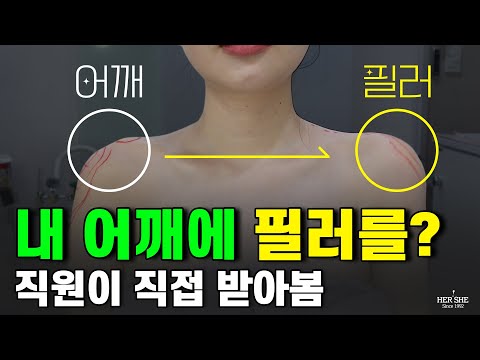 어깨필러 상담부터 시술과정까지, 직각어깨 REAL 현장
 쌍수하고 술 언제부터 마셔도 되나요?


PREFER TO CONTACT US DIRECTLY?
Choose one of the channels below to begin a direct conversation with our English consultation team.


 이전글
